Iran did not just fire missiles and drones at US military bases across West Asia. It appears to have demonstrated something far more consequential; the ability to find, reach and seriously damage heavily defended American military infrastructure thousands of miles from Iran.
And now, some of the evidence is coming from inside the US military itself.
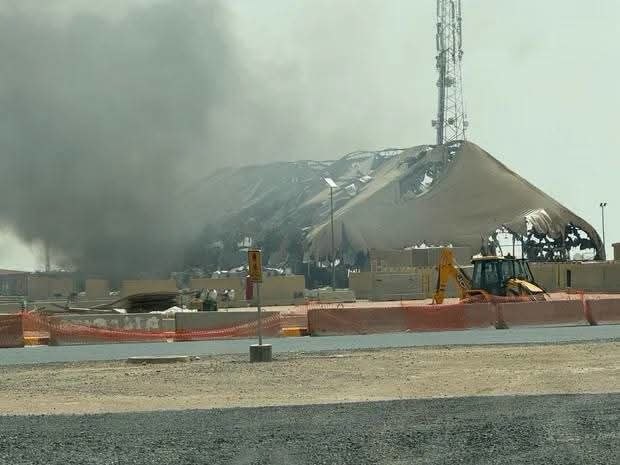
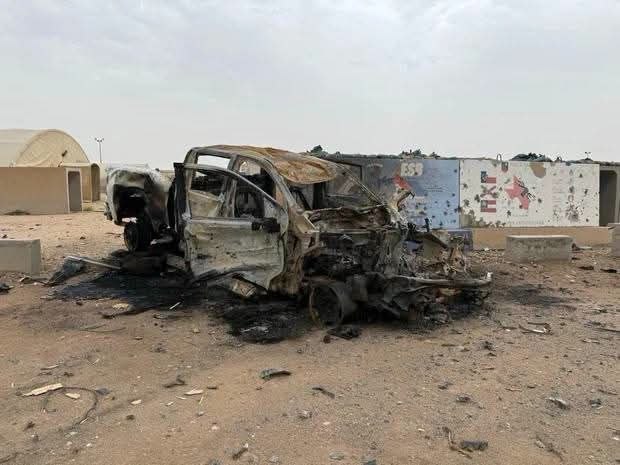
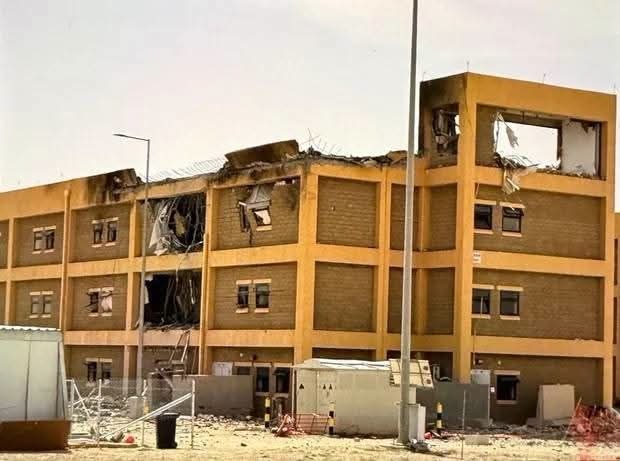
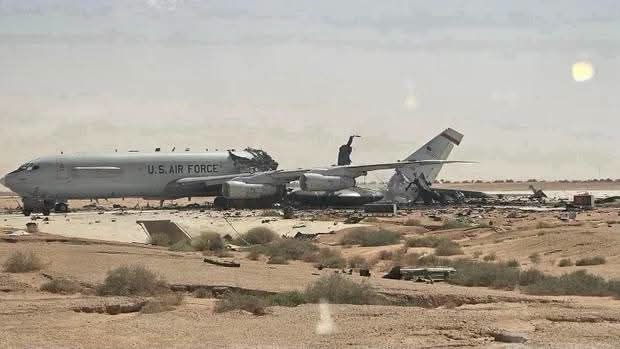
CBS News has reportedly obtained exclusive photographs from active duty American soldiers showing extensive damage at multiple US bases across the region of west Asia.
The images include a direct hit on a Boeing E-3 Sentry at Prince Sultan Air Base in Saudi Arabia, with the aircraft's tail severed from its charred fuselage. Other images show destroyed buildings, barracks and vehicles at US military facilities in Saudi Arabia and Kuwait.
One deployed US soldier told CBS:
"This is major damage to our bases that hasn't been communicated to the American public."
Another was even more blunt:
"We were not defending these bases. We were just watching them get destroyed."
Remember those are not Iranian claims. They are accounts coming from American personnel on site.
And the numbers are nust getting harder to hide. A new Pentagon inspector general report cited by CBS puts US equipment losses at up to $3.7 billion, including nearly 60 aircrafts. SIXTY!
The report also says US Central Command recorded Iranian retaliatory strikes affecting American bases in Kuwait, Bahrain, Qatar, UAE, Saudi Arabia, Iraq, Oman and Jordan.
That matters a lot because this was not simply a question of whether Iran could launch missiles. The more important question was whether those weapons could penetrate the regional military architecture built around American bases, surveillance systems, hardened positions and air defenses.
The photographs suggest that many of them actually did. And that is where the Trump administration's propaganda narrative starts colliding with the physical evidence on the ground.
For years, Washington has presented its military presence in West Asia as an overwhelming deterrent. An enormous network of bases, aircraft, intelligence assets and advanced weaponry designed to guarantee American "freedom of action"..that's just another word for occupation and imperialism but I digress.
Yet when the missiles arrived, even some of the supposedly hardened infrastructure proved vulnerable.
Iran had been under decades of sanctions, technological restrictions and military pressure. Its commanders were repeatedly assassinated, its infrastructure attacked and its weapons development constrained.
Yet when the confrontation came, Iranian missiles and drones demonstrated the ability to reach all American bases across the region and, according to the Pentagon's own figures, inflict billions of US dollars in equipment losses.
And then comes the funniest part. Donald Trump has repeatedly insisted that Iran lost. He has resisted even calling the confrontation what it plainly was: a war.
But apparently, in Trump's version of events, if American bases are damaged, aircraft are destroyed, billions of dollars in equipment are lost, and US forces are reduced to watching their positions burn... that still counts as winning.
Perhaps the White House should try telling that story to the photographs, because photographs have a rather inconvenient habit: they do not need a press secretary to stand right there and LIE through their teeth.
Iran did not just fire missiles and drones at US military bases across West Asia.

Marwa Osman/MidEaStream
@Marwa_OsmanLBMother of Three | Ph.D | Journalist & TV Show Host for @PressTV @MidEaStream |University Lecturer |Political Commentator | 🐦@Marwa__Osman | 📸 Marwa_Osman1
11,421 مشتركًا
فتح في تيليجرام