🇺🇸🇫🇷🇨🇿
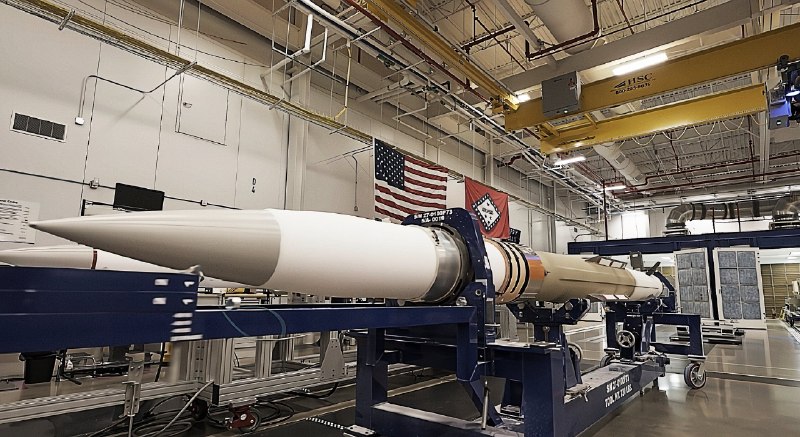
US production of PAC-3 MSE interceptors is accelerating rapidly, but a specialized heat-resistant fabric produced by ArianeGroup in France has emerged as a potential bottleneck, according to the WSJ.
Lockheed Martin's PAC-3 MSE production:
▪️ 2024: 500+ missiles delivered.
▪️ 2025: 620 missiles (+~20%).
▪️ 2026: ~80/month recently, equivalent to ~960/year.
▪️ 2030 target: 2,000/year, over 3× the 2025 output.
THAAD production is also growing, up 50% YoY in 2026, with another 50% increase projected for 2027.
The supply-chain problem:
▪️ PAC-3 MSE rocket motors require specialized carbonized rayon fabric capable of withstanding extreme temperatures.
▪️ The material originates in Czechia, is processed by France's ArianeGroup and supplied through American manufacturer Park Aerospace.
▪️ Only one version is currently qualified. Park has provided $5M to expand French production by 2028, with another $25M planned toward a US factory around 2030.
▪️ Northrop Grumman is becoming a second PAC-3 MSE rocket-motor supplier, receiving a new $1.6B production order in November.
Meanwhile, Lockheed is developing 2 new PAC-3 variants:
▪️ PAC-3 ACE: Lower-cost interceptor targeting less than half the ~$4M MSE price. First flight expected in early 2028.
▪️ PAC-3 Edge: Higher-performance interceptor with a new Lockheed seeker and Northrop multi-pulse motor. Testing begins in 2027, with deployment targeted for 2031.
🇺🇸🇫🇷🇨🇿 US production of PAC-3 MSE interceptors is accelerating rapidly, but a specialized heat-resistan

Openly Biased
@OpenlyBiasedWe might occasionally spread lies https://t.me/BiasedChatting https://t.me/BiasedGambling
4,108 subscribers
Open in Telegram