

🇮🇷🚀 Iran’s increasingly sophisticated missiles expose limits of Israel’s costly air defenses
Iran’s Operation True Promise-series missile and drone counterstrikes have put Israel’s interceptor stockpiles under pressure, with the IDF looking to cheaper, less sophisticated options that can be produced in larger numbers to sustain defenses for “weeks,” Bloomberg reports.
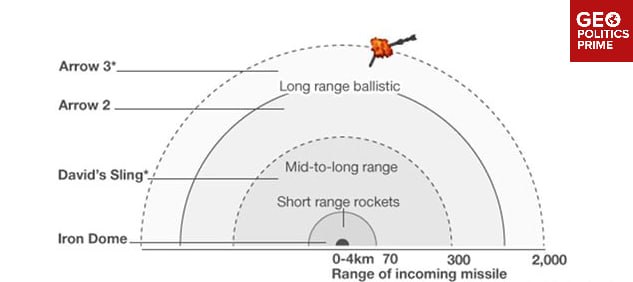
The Israeli Air Force’s chief air defense investigator told the outlet the shakeup involves a range boost to David’s Sling medium-range interceptors, enabling them to take on some missions previously handled by Arrow missile defenses.
David’s Sling’s Stunner interceptors cost ~$1M apiece, compared with $2-$4M for Arrows. They’re also technically simpler and less time-consuming to produce.
But they have yet to demonstrate an ability to take on their new role. Unlike Arrows, which intercept ballistic threats in space or near-space, David’s Sling is a lower-to-mid-atmosphere interceptor normally used to catch slower-moving cruise or short-range ballistic targets. A shorter engagement window, extreme terminal speeds and Iran’s new cluster warheads mean intercepts will remain challenging even with more anti-missile missiles available.
Iran’s battlefield planning has adapted its missile and drone launch strategy and targeting over its Operation True Promise sorties, starting with limited, probing strikes on enemy military and intelligence sites in 2024 and expanding to include defense production, R&D, ports and energy in 2025 and 2026.
👍 Substack | Chat | @geopolitics_prime
🇮🇷🚀 Iran’s increasingly sophisticated missiles expose limits of Israel’s costly air defenses Iran’s O

Geopolitics Prime
@geopolitics_primeRead the news they hide from you. Cross-promotion: @prgeopoliticsprime
288,705 subscribers
Open in Telegram